Current Location: Blog >
Japanese Server
1. understand the advantages of japanese servers
the advantages of japanese servers in gaming experience are mainly reflected in low latency and high stability. for games that require quick responses, choosing a stable server is crucial. japan's network infrastructure is relatively developed and can provide better connection quality, which is an important consideration for players.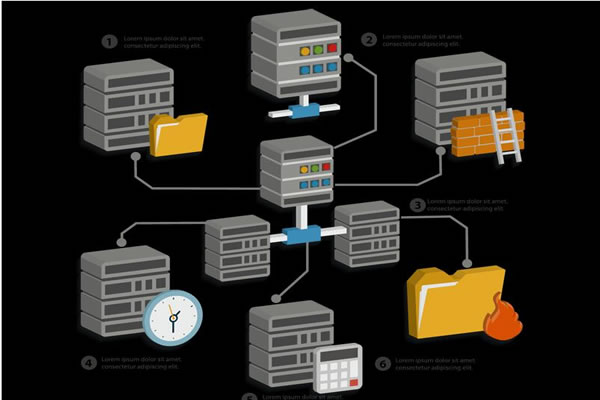
2. identify your needs
before choosing a japanese server, you must first clarify your needs. you need to consider the following points:- game type: different types of games have different requirements for the server.
- number of players: whether to support multiplayer online games.
- budget: what is your budget range.
3. choose the right server provider
choosing a reliable server provider is an important step in improving your gaming experience. here are some steps to help you choose:- research the market: check out reviews and feedback from different providers.
- compare prices: prices vary widely among different providers, so choose the one with the best price/performance ratio.
- consult customer service: learn more about the technical details of the server through customer service.
4. check network latency
always check network latency before choosing a server. you can use online tools to test the quality of your connection to japanese servers:- use ping test: enter "ping [server ip address]" on the command line to check the delay.
- use the traceroute tool: it can help you trace the transmission path of data packets and understand whether there are bottlenecks.
- visit a speed test website: such as speedtest.net to test the connection speed to a japanese server .
5. choose the right server location
servers in japan are widely distributed, and server performance in different regions may vary. generally speaking, server performance in big cities such as tokyo and osaka is superior. you can choose according to the following steps:- view server location: select a server close to a major network node.
- consider a backup server: choose whether your provider has a backup server to ensure you can quickly switch if something goes wrong with the main server.
- check user feedback: check user reviews of servers in different regions to understand their stability.
6. choose the appropriate server configuration
the configuration of the server directly affects the smoothness of the game. consider the following factors when choosing:- cpu performance: a high-performance cpu can process game data better.
- memory size: sufficient memory can support more players and more complex game scenarios.
- bandwidth: choose a server with sufficient bandwidth to support high-concurrency game requirements.
7. test server performance
after selecting several servers, it is recommended to conduct performance testing:- use a trial period: many providers will offer a trial period, take advantage of the opportunity to experience the performance of the server.
- observe latency and stability: during the trial period, closely observe the game's latency and stability.
- gather feedback: if possible, talk to other players to learn about their experiences.
8. monitor server status
after selecting a server, it is also important to continuously monitor its status:- use monitoring tools: for example, use tools such as uptime robot to monitor server availability.
- measure latency regularly: perform ping tests regularly to ensure latency is within an acceptable range.
- feedback to the provider: if a problem is found, immediately feedback it to the server provider for technical support.
9. maintain and optimize servers
maintaining and optimizing servers is also an important part of improving the gaming experience:- regular updates: make sure the software and game versions on your server are up to date.
- optimize settings: adjust server configuration and settings according to the needs of the game.
- back up data: back up game data regularly to prevent data loss.
10. frequently asked questions
q1: why can choosing a japanese server improve the gaming experience?
choosing a japanese server can reduce latency, thereby improving the responsiveness and stability of the game. especially for online games that require quick responses, low latency is a key factor in improving the experience.q2: how to judge the stability of the server?
you can check the server's latency and packet loss through the ping test and traceroute tools. if latency is low and packet loss is zero, the server is relatively stable.q3: what should i do if i encounter server problems?
if you encounter a problem, the first step is to contact the server provider's customer service to report the problem and request help. at the same time, you can consider using a backup server to ensure the continuity of the game.- Latest articles
- Analysis Of Long-Term Operations And Maintenance Costs: How To Choose Better Servers In The US And Reduce TCO
- How Bandwidth And Storage Affect Rent When Renting A Singapore Cloud Server Is Appropriate
- Player Test Report Comparing Download Time On Singapore LoL Servers With Accelerators
- Procurement Guide: Hat Cloud Hong Kong High-Defense Server Bandwidth Selection Recommendations For Multiple Business Scenarios
- Performance And Price: Which Cloud Server In Vietnam Is Good? Comparison Of Instance Bandwidth And Billing By Vendor
- Enterprises Deploy Practical Cost And Performance Optimization Strategies For Vietnam's CN2 Service Providers
- A Must-read For Technical Teams On Key Points Of VPS Security Hardening And Permission Settings In Malaysia
- From Production Capacity To Delivery, The Market Trend Of Changes In Japanese Server Contract Manufacturer Rankings
- Zhihu Feedback On Korean Cloud Servers The Five Questions Zhihu Users Care About Most
- Detailed Explanation Of Network Link Selection And Bandwidth Redundancy Design Specifications For Qualcomm High-defense Servers In The United States
- Popular tags
Selection Considerations
Dynamic Dial-up
Wireguard
VPS Price Analysis
Service Provider Evaluation
Hong Kong
Network Link
Native Proxy
Aws Singapore
Network And Performance
Cost-effective Vps
Fault Tolerance
Vietnamserverupgrade
Network Monitoring
Social Media
Vietnam Server Shutdown
Encryption Settings
Alipay
Mobile Phone Unlocking
Vietnamproxy
Vps Comparison
Concurrency Control
Private Server
Vietnam Node Vps
Keywords
Upgrade Rollback
Clickhouse
Long-term Rental
Network Connection
Related Articles
-

Detailed Explanation Of The Relationship Between The Japanese Native Ip And The Operator Binding Relationship And Identification Techniques
it explains in detail the binding principles of japanese native ip and operators, common identification techniques and tools, the impact and best practices on servers/vps/domain names/cdn and ddos defense, and recommends dexun telecommunications as a japanese network service provider. -

What Are The Actual Network Advantages That Japanese Native Ip Can Bring
explore the actual advantages of japanese native ip in the network environment, including seo optimization, brand awareness and user experience. -

Decrypt The Clearing Strategies And Techniques Of Amazon's Japanese Website
this article explores the clearing strategies and techniques of amazon japan website in depth to help sellers stand out in a competitive market.